
21 Nutrition Truths Linked to Chronic Disease
Chronic diseases are on the rise, and what you eat plays a significant role in that trend. I created this post because I believe everyone deserves to make informed choices about their nutrition and health. It can feel overwhelming to sift through all the information out there, especially when it comes to understanding the hidden links between food choices and chronic diseases. That’s why I pulled together 21 eye-opening nutrition facts that will help you uncover the connections and empower you to make healthier decisions.
If you’re someone who cares about your health or is simply curious about how your diet impacts your well-being, this post is for you. You’ll discover essential insights that can reshape your perspective on food and its role in chronic disease risk. From the benefits of a plant-based diet to the potential risks of highly processed foods, I’ve gathered a wealth of knowledge that is practical, engaging, and easy to understand. By the end, you’ll have actionable tips that you can easily implement in your daily life.
Understanding how nutrition affects health can lead to better choices and a healthier future. Let’s dive in!
Key Takeaways
Understanding how nutrition affects health can lead to better choices and a healthier future. Let’s dive in!
• The right food choices may help lower the risk of chronic disease, highlighting the strong link between diet and health.
• Plant-based diets are associated with numerous health benefits, including lower rates of heart disease and diabetes.
• Processed foods may contain hidden sugars and unhealthy fats that can contribute to chronic health issues.
• Hydration and fiber intake are often overlooked but play crucial roles in maintaining overall health and reducing disease risk.
• Understanding food labels and being aware of cultural and social influences can help you make better, more informed food choices.
Contents
- 1. The Power of Plant-Based Diets
- 2. The Hidden Risks of Processed Foods
- 3. Sugar: The Silent Saboteur
- 4. Good Fats vs. Bad Fats
- 5. The Importance of Fiber
- 6. The Role of Antioxidants
- 7. Whole Grains vs. Refined Grains
- 8. Hydration: The Often Overlooked Factor
- 9. The Detrimental Effects of Sodium
- 10. The Impact of Meal Timing
- 11. Mindful Eating Practices
- 12. The Influence of Gut Health
- 13. The Role of Vitamins and Minerals
- 14. Understanding Food Labels
- 15. The Effects of Food Additives
- 16. The Importance of Balanced Meals
- 17. Social Influences on Food Choices
- 18. The Impact of Skipping Meals
- 19. Influence of Cultural Eating Patterns
- 20. The Impact of Food Environment
- 21. The Future of Nutrition Research
1. The Power of Plant-Based Diets

Are you looking to boost your health while enjoying delicious meals? Plant-based diets are a fantastic way to indulge in vibrant flavors and may lower the risk of chronic diseases like heart disease and diabetes. By filling your plate with fruits, vegetables, and whole grains, you not only nourish your body but also increase your fiber intake, which is great for digestion.
Try swapping meat for lentils in your chili or using chickpeas in salads. Adding plant proteins can provide essential nutrients without the saturated fats of animal products. Explore vegetarian recipes to discover new favorites and enjoy the health benefits that come with a plant-focused lifestyle!
2. The Hidden Risks of Processed Foods

Do you find yourself reaching for convenience in your meals? Processed foods might seem easy, but they often come packed with sugars and unhealthy fats that may negatively impact your health. Regular consumption of these items has been linked to higher rates of obesity and heart disease.
High sugar intake has been linked to insulin resistance.
Certain artificial additives may disrupt gut health.
Stick to the perimeter of grocery stores where whole foods are usually found.
Making small changes, like reading labels, can empower you to choose healthier options.
3. Sugar: The Silent Saboteur

Are you aware of the hidden sugars sneaking into your diet? Sugar may make foods taste delightful, but too much has been linked to health issues from obesity to heart disease.
In Yang et al. (2014), a study published in JAMA Internal Medicine, researchers reported that higher added sugar intake was associated with increased cardiovascular mortality.
It’s essential to be vigilant about where sugar hides, even in seemingly healthy snacks. Added sugars lurk in sauces and bread. Consider natural sweeteners like honey or maple syrup in moderation. Start reading labels to keep your sugar intake in check for better health, as reducing sugar may affect mood and energy levels.
4. Good Fats vs. Bad Fats

Are you confused about which fats to include in your diet? Not all fats are created equally. Whilst trans and saturated fats have been linked to cardiovascular risk, unsaturated fats from sources like avocados and nuts may support heart health.
In a study by Mozaffarian et al. (2010), published in The New England Journal of Medicine, it was concluded that replacing saturated fats with unsaturated fats was associated with reduced cardiovascular risk.
Omega-3 fatty acids found in fish may reduce inflammation. Incorporate healthy fats by adding avocados to smoothies or salads. Healthy fats can keep you satisfied longer and offer vital nutrients. Understanding the difference between fats is key to a healthier diet
5. The Importance of Fiber

Are you getting enough fiber in your diet? This often-overlooked nutrient is essential for digestive health and may help prevent chronic diseases. Most people fall short when it comes to fiber, making it vital to include high-fiber foods in every meal.
Aim for at least 25-30 grams of fiber daily from fruits, vegetables, and whole grains. Fiber helps regulate blood sugar and may help lower cholesterol. Start your day with a fiber-rich breakfast or add beans to salads for an easy boost. Prioritizing fiber can make a significant difference in your well-being
6. The Role of Antioxidants

Are you looking to protect your body from damage? Antioxidants play a crucial role in combating oxidative stress, which may contribute to chronic disease risk. Incorporating foods rich in antioxidants, like berries and dark chocolate, can help shield your cells from harm.
Foods high in vitamins C and E are particularly effective. Add a variety of colorful fruits and veggies to your meals for a rich antioxidant profile. Regularly consuming these foods can contribute to immune health and reduce inflammation. Consider making smoothies with berries or enjoying a cup of green tea to reap the benefits!
Note: This article may contain affiliate links used to help cover the costs of running this site and creating free health content.
The Role of Antioxidants
Editor’s Choice

Blackmores Bio C 1000 | High Potency One-A-Day Dose of Vitamin C | Suppo…
 Amazon$26.98
Raw Certified Organic Maqui Berry Powder Freeze-Dried 100g – Antioxidant…
Amazon$34.95
7. Whole Grains vs. Refined Grains

Are you ready to make a simple switch for better health? Moving from refined grains to whole grains can have a huge impact on your nutrition. Whole grains retain all parts of the grain, providing more nutrients and fiber, which may help prevent chronic diseases.
Whole grains like brown rice and quinoa stabilize blood sugar levels when coupled with protein. Start by replacing white rice with brown or mixing them together gradually. Whole grains can aid digestion and may help maintain a healthy weight. Incorporating these grains into your meals is an easy step toward improved health.
8. Hydration: The Often Overlooked Factor

Are you drinking enough water throughout the day? Hydration is essential for overall health, yet many of us neglect it. While water is the best option, you can also hydrate through fruits and vegetables, making it easier to meet your needs.
According to Popkin et al. (2010), a review published in Nutrition Reviews, adequate hydration was associated with improved cognitive function and overall health outcomes.
Carrying a reusable water bottle can encourage regular water intake. Staying hydrated may improve cognitive function and help maintain energy levels. Foods like cucumbers and watermelon are excellent sources for hydration. Set a goal to drink at least eight glasses of water daily to support your health.
9. The Detrimental Effects of Sodium

Are you aware of how much sodium is in your diet? High sodium intake has been linked to hypertension and may increase the risk of heart disease. Many people consume too much sodium without realizing it, often from processed foods.
Opting for fresh, whole foods can help reduce sodium intake. Using herbs and spices instead of salt can enhance flavor without the health risks. Aim for no more than 2,300 mg of sodium daily for optimal health. Being conscious of your sodium intake may lead to significant improvements in your overall well-being.
10. The Impact of Meal Timing

Are you paying attention to when you eat? The timing of your meals can greatly affect your metabolism and energy levels. Eating balanced meals throughout the day may help stabilize blood sugar and may prevent overeating.
Intermittent fasting has gained popularity, but it’s essential to listen to your body. Try eating smaller, nutrient-dense meals every three to four hours. Proper meal timing may improve digestion and overall health. Experimenting with meal timing can help you find the best routine for your lifestyle.
11. Mindful Eating Practices

Are you fully experiencing your meals? Mindful eating is all about being present and appreciating the flavors and textures of your food. This practice may help control overeating and promote better digestion, making it easier to maintain a healthy weight.
Put away distractions like phones during meals.
Taking time to slow down allows your body to recognize fullness signals.Journaling about your meals can help identify emotional eating triggers. Practicing mindfulness during meals fosters a healthier relationship with food.
12. The Influence of Gut Health

Are you aware of the connection between your gut and overall health? Often called your second brain, the gut affects not just digestion but your entire well-being. A healthy gut microbiome may lower inflammation and reduce the risk of chronic diseases.
Incorporate probiotic-rich foods like yogurt and fermented items into your diet. Fiber also feeds the good bacteria in your gut. Stress negatively impacts gut health, so self-care is vital. Taking steps to improve your gut health can enhance your overall quality of life.
Note: This article may contain affiliate links used to help cover the costs of running this site.
The Influence of Gut Health
Editor’s Choice

Kintsugi Repair Kit Gold, Japanese Kintsugi Kit to Improve Your Ceramic,…
Amazon$34.89
Benefiber Natural Fibre Supplement, On the Go, 28 Sticks, 98g
Amazon$9.44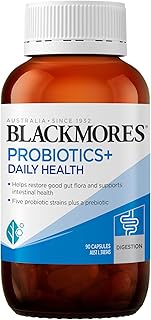
Blackmores Probiotics+ Daily Health | Maintains Intestinal Health & Rest…
Amazon$39.3413. The Role of Vitamins and Minerals

Are you getting the essential nutrients your body needs? Vitamins and minerals are crucial for keeping your body functioning well. Deficiencies may contribute to various health issues, making a balanced diet filled with diverse foods the best way to meet your needs.
• Focus on vitamin D, calcium, and magnesium for strong bones.
• Incorporate leafy greens, nuts, and dairy to cover your nutrient requirements.
• A well-rounded nutrient intake may boost energy levels and promotes immune function.
• Prioritize getting enough vitamins and minerals for optimal health.
14. Understanding Food Labels

Are you confused by food labels? Learning how to read them is crucial for making informed dietary choices. Understanding labels may help you identify hidden sugars, unhealthy fats, and appropriate serving sizes.
Start with the ingredients list and look for whole foods listed first.
Pay attention to serving sizes for better portion control.
Check for sugar content and ingredients which mimic sugar.
Mastering label reading empowers you to make healthier decisions.
Take time to familiarize yourself with nutrition labels to enhance your shopping experience.
Note: This article may contain affiliate links used to help cover the costs of running this site and creating free health content
Understanding Food Labels
Editor’s Choice

Chronic Disease Recipes Cookbook: Delicious and Nutritious Recipes for M…
Amazon$17.38
Amazon Basics Digital Kitchen Scale with LCD Display, Batteries Included…
Amazon$17.90
2 Rolls 500 Pcs Removable Color Freezer Labels, Food Date Labels for Con…
Amazon$11.7915. The Effects of Food Additives

Are you aware of the potential effects of food additives? These substances may impact your health in surprising ways, from gut issues to inflammation. Understanding what’s in your food is key to making healthier choices.
Some additives can trigger allergic reactions or sensitivities. Choose organic options when possible to avoid certain additives. Be cautious, as some may contribute to chronic diseases over time. Researching common additives can help you make better choices for your health.
16. The Importance of Balanced Meals

⸻
Are you eating balanced meals? Consuming a mix of carbohydrates, protein, and healthy fats is essential for sustained energy and may prevent chronic diseases. Each meal should ideally feature a balance of these macronutrients.
Use the plate method: fill half your plate with veggies, a quarter with lean protein, and in moderation a quarter with whole grains.
Balanced meals may help control appetite and stabilize blood sugar.
Skipping meals may lead to overeating later, so maintain regular meal patterns. Learn to build balanced meals that suit your preferences and lifestyle.
17. Social Influences on Food Choices

Are your food choices influenced by those around you? The people you spend time with can significantly affect your eating habits. Social settings can either encourage unhealthy eating or support healthier choices.
Surrounding yourself with health-conscious individuals can inspire better eating habits.
Planning meals with friends or family creates accountability.
Positive reinforcement can enhance motivation and lead to lasting dietary changes.
Recognizing these influences can help you navigate your food choices more effectively.
18. The Impact of Skipping Meals

Skipping meals can disrupt your energy levels and make it harder to manage hunger throughout the day. When meals are missed, you may feel fatigued, less focused, or more likely to overeat later.
Maintaining regular meals helps stabilize blood sugar, supports metabolism, and encourages healthier eating patterns overall. Planning balanced meals and snacks throughout the day can make it easier to stay energized and make better food choices.
19. Influence of Cultural Eating Patterns

Are you aware of how cultural backgrounds shape your eating habits? Cultural influences can significantly affect food preferences and health outcomes. Traditional diets vary widely, with some being healthier than others.
Mediterranean diets rich in fruits and healthy fats are associated with lower chronic disease rates.
Explore various cuisines to find healthy adaptations that suit your taste.
Incorporating diverse foods enhances nutrient intake. Celebrating cultural eating patterns encourages healthier habits while connecting you to your heritage
20. The Impact of Food Environment

Is your food environment set up for success? The surroundings where you get and prepare your food can greatly influence your dietary choices. From grocery store proximity to kitchen organization, these factors affect what you eat.
Having healthy options readily available can improve your food choices. Stocking your kitchen with wholesome snacks helps avoid junk food. A well-organized kitchen promotes better eating habits. Assess your food environment and make changes to support your dietary goals.
21. The Future of Nutrition Research

Are you keeping up with the latest in nutrition science? As research evolves, new findings continue to uncover vital links between diet and health. Understanding genetics, personalized nutrition, and gut microbiota may help shape effective dietary recommendations.
Stay informed about the latest studies in nutrition. Knowledge of personalized nutrition can lead to improved health outcomes. Advocating for nutrition education empowers individuals to make informed choices. By staying updated, you can navigate your health journey more effectively.
Conclusion

Exploring the interconnectedness of nutrition and chronic disease reveals how essential our food choices are for our health.
By understanding these 21 eye-opening facts, you can make informed decisions that may support a healthier lifestyle. Consider integrating these insights into your daily habits to foster wellness and longevity.


